Peptide Evaluation Solutions
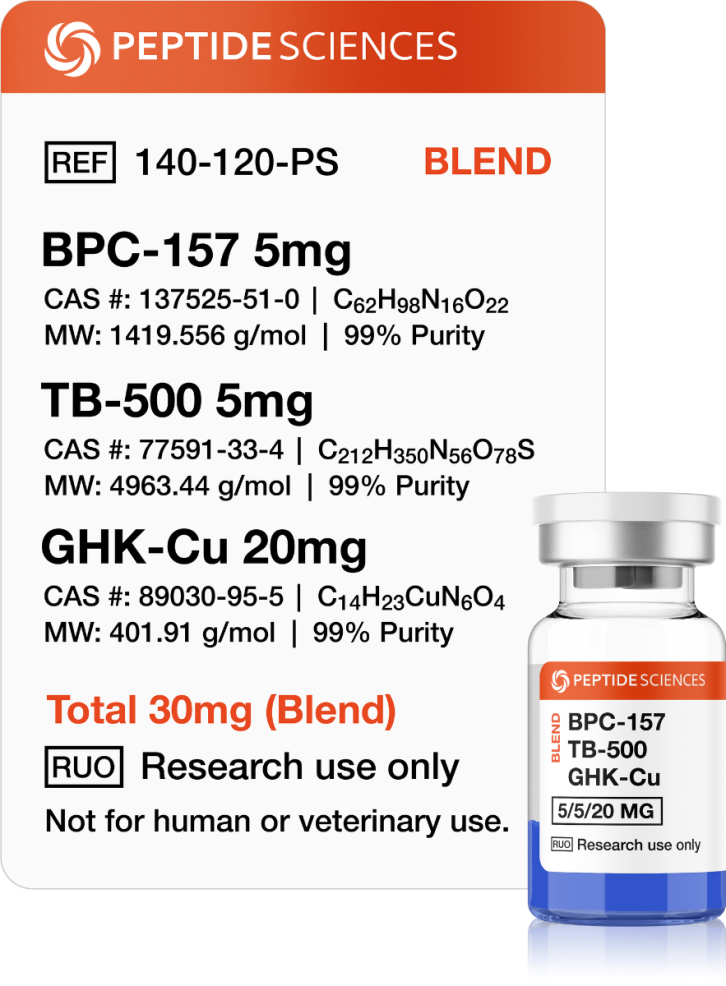
How Hplc Is Made Use Of To Examine Peptide Purity NorthEast BioLab always exceeds expectations on bioanalytical assay advancement, validation, and sample evaluation. At Apex Peptide Supply, every peptide is confirmed through HPLC and MS screening, providing researchers self-confidence in their job and dependable outcomes whenever. Research-grade peptides must have purity degrees of 98% or higher, with costs distributors supplying 99.0% to 99.7% pureness. Higher purity guarantees better research results and reduces interference from pollutants. Yes, study peptides are legal in the UK when marketed and bought strictly for lab study purposes.
Just how much time does an HPLC examination take?
Time Required for HPLC EDTA Examination Records + Following Actions
When you have reserved the examination and the phlebotomist has actually collected your blood sample, the sample is taken to the lab, where the examination is carried out. It usually takes 24-48 hours for the examination record to be produced.
Just How To Analyze Consolidated Data For Certain Pureness Analysis?
Chiral techniques can attend to enantiomeric pureness where stereochemistry is a worry. Residual-solvent or water-content examinations can matter in manufacturing or stability contexts. These are important in the best setting, yet they need to be taken method-specific evidence as opposed to a global replacement for HPLC and MS. Peptide testing is effective, however researchers need to check out the scope of each technique carefully.Why Analytical Testing For Peptides Matters
They are not meant for human intake, therapeutic use, or any type of type of self-administration. Any referrals to research searchings for, scientific researches, or possible applications are supplied entirely to notify the clinical community and do not make up medical cases. Mass spectrometry supplies molecular-level verification that the major chromatographic height matches the expected peptide mass. Batch-specific testing indicates that every production run undergoes independent analysis rather than relying on historical screening from previous batches. Each set receives an one-of-a-kind identifier that connects it to certain COA outcomes.Regulatory Expectations For Purity Analysis
- Researchers very closely check out HPLC results to make a decision if a peptide appropriates for use.
- We use independent third-party research laboratories for logical screening of each batch to get unbiased HPLC and MS information confirming the peptide's identification, pureness, and structure [3]
- This deducible confirmation process supplies complete presence from synthesis to delivery.
- Mass Spectrometry (MS) is everything about measuring the exact molecular weight of a compound.